

The Science of Intrinsic Drive: Why Effort Isn’t a Teachable Skill
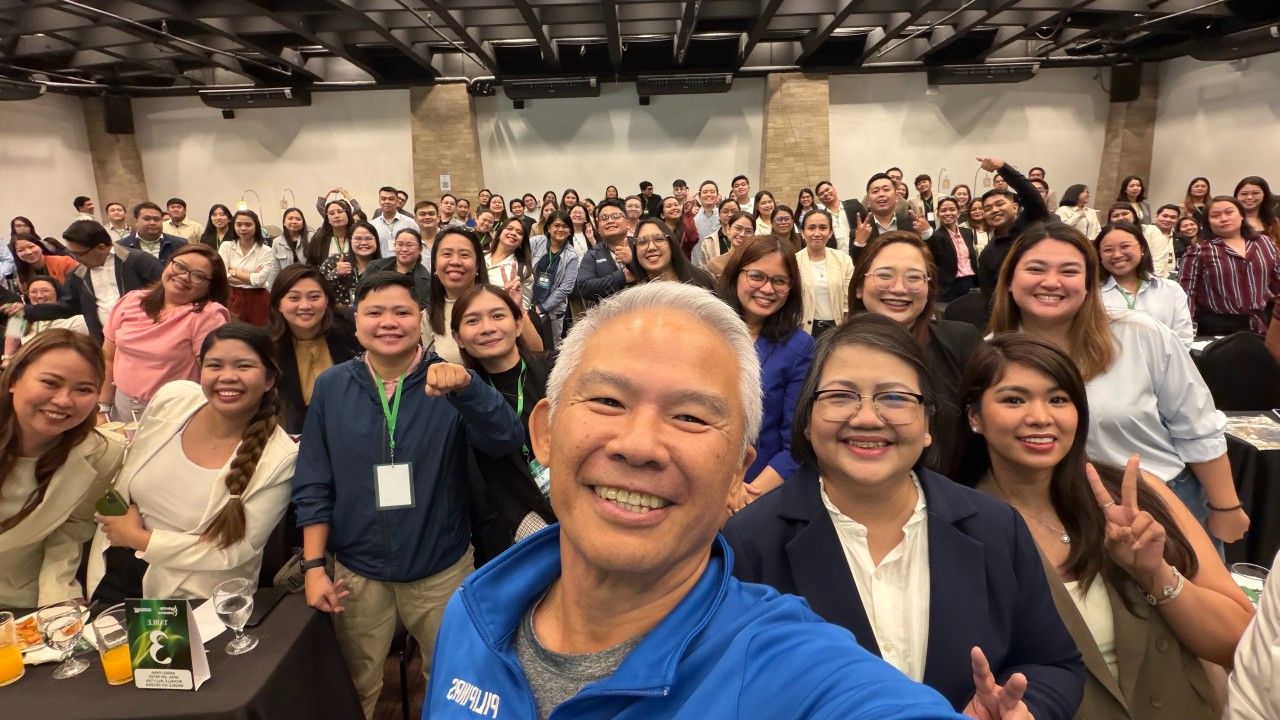
Mar 26, 2026I conducted a Leadership Workshop for the MaxiCare group yesterday, and this topic came up, so I thought I'd expound on something that goes against every "heroic leader" narrative we’ve been taught:
You cannot coach effort.
You can model it, you can encourage it, and you can certainly inspire it. But you cannot coach it. If you find yourself in a 1:1 trying to explain to a professional why they should want to do their job, you aren't coaching—you’re performing psychological archaeology.
As leaders, we often fall into the trap of thinking our "influence" is a magic wand that can install a motor into a parked car. The science suggests otherwise.
The "Motor" vs. The "Steering"
Think of your team members as vehicles. Some arrive with a high-output, finely tuned motor already installed. Your job is to provide the roadmap (strategy), teach them to drive more effectively (skill coaching), and keep the path clear of debris (removing roadblocks).
But when you hire someone without a motor, no amount of "leadership" will make them move. You might push them a few feet, but the moment you stop pushing, they stop moving. That's why in the "Effort" segment of our TEAM model I always remind leaders -- as much as it's important to hire for talent, skills, experience -- don't forget to hire for hustle.
Why Science Says "Effort" is a Baseline
The reason you can’t coach effort is found in two pillars of behavioral science:
- The Stability of Conscientiousness: In the "Big Five" personality traits, Conscientiousness—the tendency to be organized, industrious, and self-disciplined—is remarkably stable in adults. You can’t "coach" someone into having a different personality. If the internal drive isn't there by age 25, a quarterly review won't create it.
- The Dopamine Loop: High-effort individuals have a different internal "cost-benefit" analysis. Their brains weigh the reward of achievement more heavily than the mental "cost" of the work. You cannot coach a human brain to find a specific reward more satisfying than it naturally does.
The Counter-Argument: Can’t Anyone Be Motivated?
I hear the pushback already: "But I’ve seen a 'lazy' employee become a superstar under a new manager. Isn't that coaching effort?"
Actually, no. That is a crucial distinction between Absent Effort and Latent Effort.
- Latent Effort is when the motor is there, but the emergency brake is on. Perhaps they felt undervalued, the goals were blurry, or the culture was toxic. A great leader doesn't create the effort; they simply release the brake.
- Absent Effort is when the engine simply isn't in the car. No amount of "psyching them up" or "clarifying the mission" will create a drive that isn't fundamentally there.
The High Cost of the "Effort Tax"
When you try to coach effort, you pay a heavy "Effort Tax." You spend 80% of your emotional energy on the 20% of people who don't want to be there.
Meanwhile, your "thoroughbreds"—the ones with the high-output motors—are starving for your attention. They don't need you to light a fire under them; they need you to coach their strategy, their nuance, and their professional growth. By focusing on the "will-gaps," you are neglecting your "skill-gaps."
The New Rule: Effort is the Entry Fee
Stop playing "amateur psychologist" and start playing "architect." Your job isn't to build the fire; it’s to provide the oxygen.
- Hire the Motor: If the intrinsic drive isn't apparent in the interview, it won't appear on day 90.
- Coach the Steering: Spend your time refining how people work, not if they work.
- Remove the Brakes: Ensure that your high-performers aren't being slowed down by bad processes or "learned helplessness."
I encountered this in a game we lost recently. I am the world's worst loser. I absolutely hate to lose. And in my mind, the moment I become 'okay' with losing is the moment I have to retire. But this recent loss was extraordinarily difficult for me to take. I felt so burnt out. Upon reflection, I now know why. I spent almost the whole game coaxing more effort out of my players, and sure enough, when the other team outworks you, most of the time you lose.
That's why my post game message to my players was a simple reminder...
"I can't coach effort. So take a long hard look at yourselves and figure out how much you want this."
The Bottom Line: Leadership isn't about fixing people’s fundamental nature. It’s about finding people who already care and giving them a reason to never stop.
I’m curious to hear from the leaders in my network: Have you ever successfully "coached" someone into having a work ethic who didn't have one before? Or did you just realize, eventually, that you were pushing a car with no engine?
