

Inspiration Is Not Enough — Leadership Growth Needs Structure
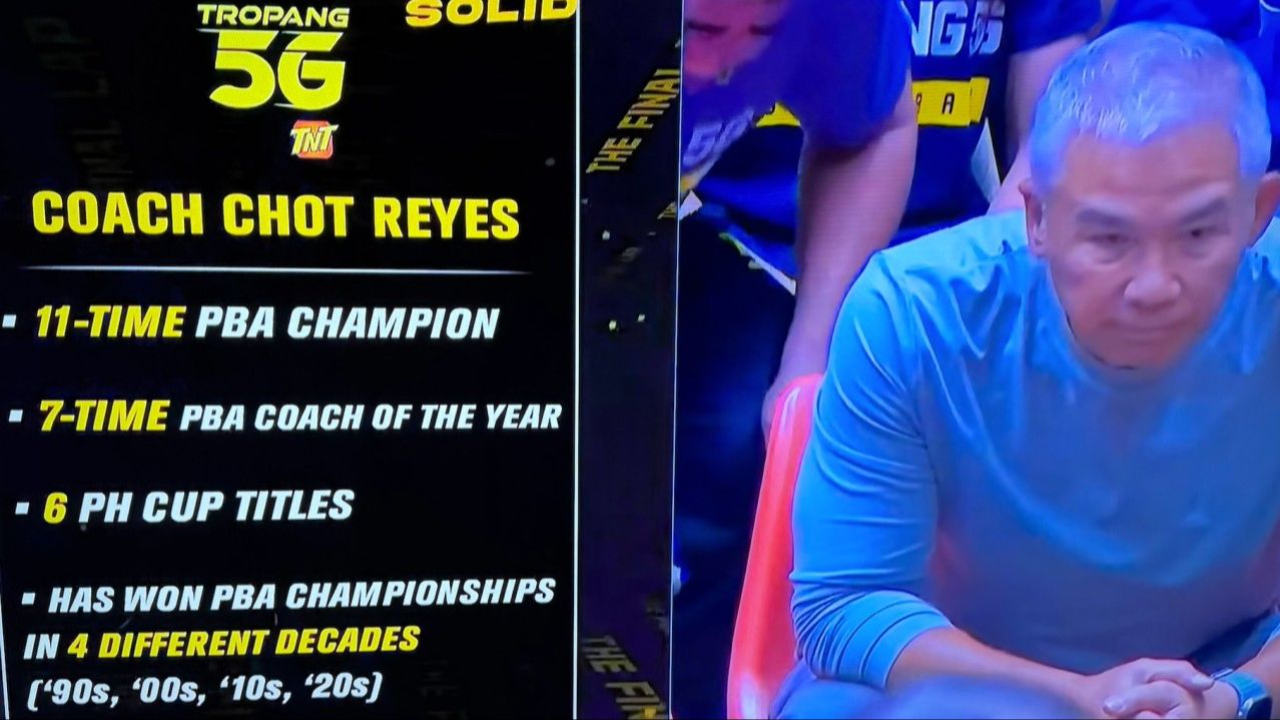
Feb 12, 2026Many leadership conversations start with inspiration. "Coach, how are you able to maintain your consistency over 4 decades?"
A powerful story. A moving talk. A moment that makes us reflect on the kind of leader we want to become.
And inspiration matters. It creates awareness. It opens the door to change.
But most senior leaders eventually discover something important:
Inspiration alone does not change behavior.
After the talk ends and the pressure of daily work returns, leaders still face the same realities — difficult conversations, uncertainty, fatigue in teams, and decisions that carry real consequences. Without structure, good intentions fade into old habits, a sure-fire consistency killer.
This is why leadership development must move from inspiration to framework.
A framework gives leaders something practical to work on. It answers a simple question: What do I actually do differently starting tomorrow?
Over time, I’ve found that future-fit leadership can be anchored on five areas that leaders can consciously practice. I refer to this as the HEART of a Future-Fit Leader.
Not as a theory, but as a way to translate leadership qualities into daily behaviors. Daily behaviors that fuel consistency.
H — Health
Leadership starts with energy management.
Concrete behaviors:
- Managing physical and mental energy, especially during demanding periods
- Creating recovery routines instead of operating in constant exhaustion
- Modeling sustainable work habits for the team
How can you lead if you are not even healthy enough to be present? When leaders are depleted, decision-making and patience suffer. Health is not separate from performance — it supports it. It is the foundation.
E — Emotional Intelligence
How leaders manage emotions shapes the environment around them.
Concrete behaviors:
- Pausing before reacting in stressful situations
- Listening to understand, not just to respond
- Being aware of how tone and presence affect others
Teams often respond less to what leaders say and more to how leaders make them feel.
A — Agility
Plans change. Markets change. People change.
Concrete behaviors:
- Adjusting approaches without losing direction
- Encouraging learning instead of blaming mistakes
- Staying open to new information even after decisions are made
Agility allows leaders to adapt without losing stability.
R — Resilience
Setbacks are inevitable. Recovery is a leadership skill.
Concrete behaviors:
- Maintaining perspective during setbacks
- Separating results from identity
- Helping teams refocus after disappointment
Resilient leaders create resilient teams. But you cannot be resilient unless you are first agile.
T — Teamship
Leadership ultimately shows in how teams function together.
Concrete behaviors:
- Building trust and psychological safety through consistency
- Committing to a compelling purpose. Then giving clarity in roles and expectations
- Recognizing contributions and fostering shared ownership
Leadership is not only about individual performance, but collective success.
Inspiration may start the journey, but structure sustains it.
Senior leaders don’t need more motivation. They need a clear way to practice leadership daily — especially when things become difficult.
Because leadership growth doesn’t happen in big moments.
It happens in repeated behaviors, practiced consistently, until they become who we are as leaders.
